
Selecting the right portable crushing plants for sale is crucial for efficient aggregate production and profitable operations. One of the most important factors in choosing a portable plant is the type and hardness of the rock to be processed. Different rocks require specific crushing methods, machine types, and configurations to achieve optimal output, minimize wear, and reduce operational costs. Understanding how rock properties affect crusher selection can help operators make informed decisions and ensure smooth production.
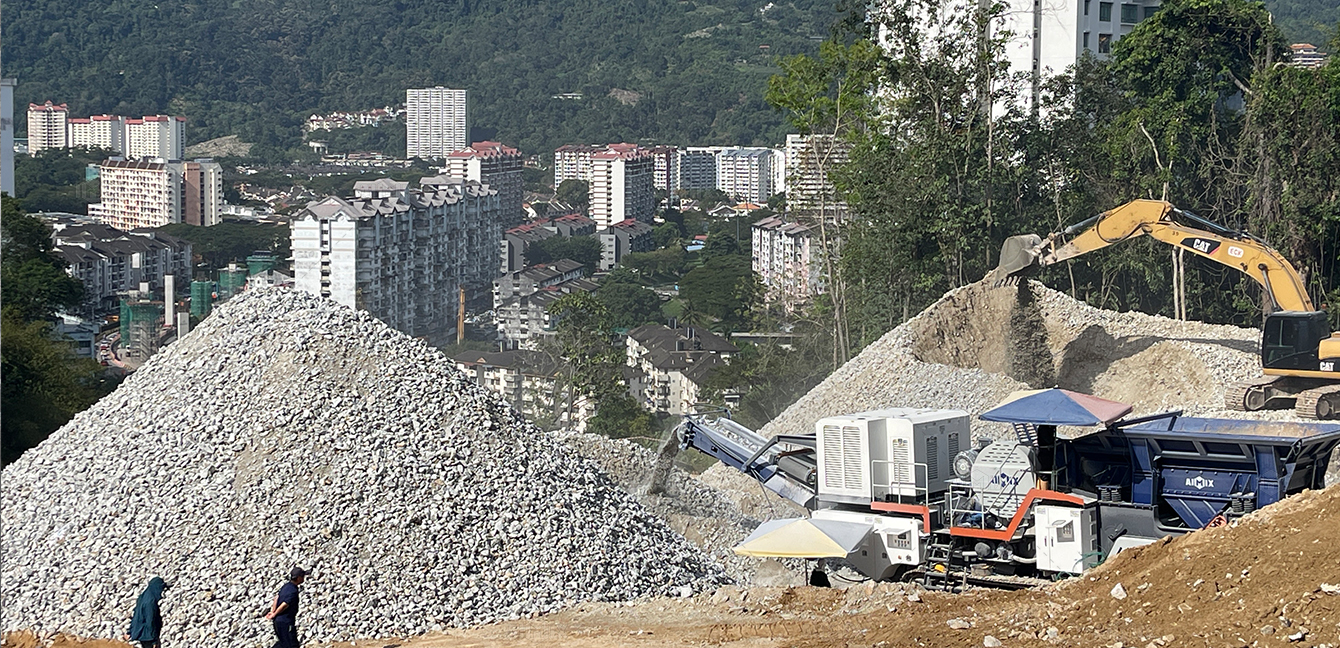
Understanding Rock Type and Hardness
Rocks are classified based on their hardness, abrasiveness, and composition. The Mohs hardness scale is often used to measure the relative hardness of materials. For instance:
-
Soft rocks (Mohs hardness 3–5), like limestone and gypsum, are easier to crush and allow for high-capacity production using standard jaw or impact crushers.
-
Medium-hard rocks (Mohs hardness 5–7), such as granite and basalt, require more robust crushers, often with wear-resistant liners and higher torque motors.
-
Hard rocks (Mohs hardness 7+), like quartzite, demand specialized crushers like cone crushers or heavy-duty jaw crushers to handle the increased stress without excessive wear.
In addition to hardness, factors like moisture content, abrasiveness, and the presence of impurities affect crusher selection and overall plant efficiency.
Types of Portable Crushing Plants
There are various mobile crushing plants types available, each designed for specific applications and rock conditions. These include:
Jaw Crusher Plants – Ideal for primary crushing of hard and medium-hard rocks. Jaw crushers can handle large-sized boulders and reduce them to manageable sizes for secondary crushers. They are commonly used in quarrying and mining operations.
Impact Crusher Plants – Suitable for soft to medium-hard rocks like limestone and sandstone. Impact crushers provide high reduction ratios and produce more uniform aggregate sizes. They are especially effective when rock abrasiveness is low.
Cone Crusher Plants – Designed for medium-hard to hard rocks, cone crushers deliver precise crushing and are often used for secondary or tertiary stages. They are energy-efficient and produce consistent aggregate shapes.
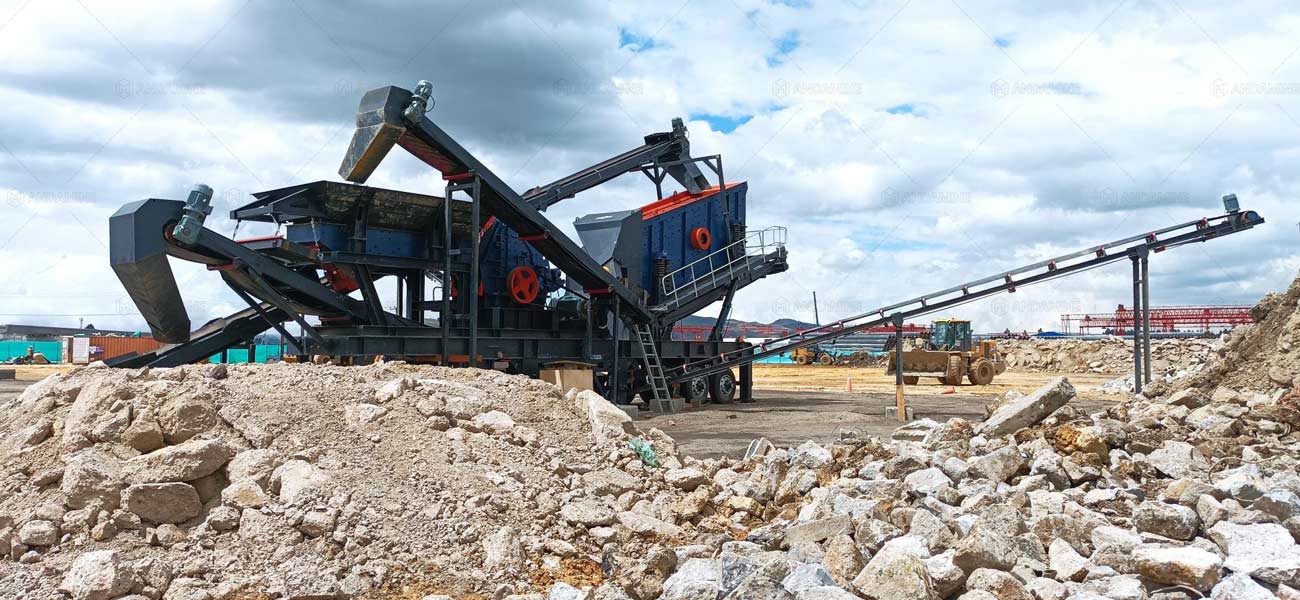
Crawler Crusher Plants – A crawler crusher is a fully mobile, track-mounted plant that can operate in rough terrain or uneven quarry sites. It is ideal for projects where the crushing plant needs to move frequently or work in confined areas. Crawler crushers often combine jaw, cone, and impact crushing capabilities into one flexible unit.
Combination or Hybrid Plants – Some portable plants integrate multiple crusher types into a single unit, allowing operators to process various rock types with minimal setup. These are particularly useful for contractors handling diverse projects or mixed rock deposits.
Matching Crusher Type to Rock Hardness
When selecting a portable rock crusher for sale, matching the crusher type to rock hardness is essential:
-
Soft Rock: Impact crushers or mobile jaw crushers are ideal. They provide high efficiency and uniform output without excessive wear.
-
Medium-Hard Rock: Cone crushers or heavy-duty jaw crushers are recommended. These plants handle increased abrasiveness and maintain productivity.
-
Hard Rock: Robust jaw or cone crushers with wear-resistant materials are necessary. For challenging terrains, a crawler crusher ensures mobility and stability during operation.
Understanding rock characteristics helps operators avoid under- or over-sizing equipment, reducing downtime, energy consumption, and maintenance costs.
Other Considerations for Selecting Portable Crushing Plants
Beyond rock type and hardness, several other factors influence the selection of a portable crushing plant:
-
Production Capacity – Determine the tonnage needed per hour. High-capacity operations may require larger jaw or cone crushers with extended feed hoppers.
-
Mobility Requirements – For projects in remote areas or changing sites, crawler crushers or track-mounted plants provide unmatched flexibility.
-
Aggregate Size and Shape – Desired output size dictates the type of crusher and the number of crushing stages. For high-quality concrete aggregates, secondary and tertiary crushing with cone or impact crushers is preferred.
-
Power Source – Some plants use diesel engines for off-grid operations, while electric or hybrid units offer energy efficiency and lower emissions.
-
Budget and ROI – Initial cost, maintenance, and operating expenses should align with the expected return on investment. A portable rock crusher for sale with low operating costs may provide better long-term value than a cheaper, less durable option.
Advantages of Selecting the Right Portable Crushing Plant
Choosing the correct plant for rock type and hardness offers several advantages:
Improved Efficiency – Properly matched crushers reduce unnecessary wear, energy consumption, and downtime.
Better Product Quality – Correct crushers produce uniform aggregate sizes, which is critical for concrete, asphalt, and road construction.
Cost Savings – Minimizing maintenance and operational issues lowers total production cost.
Flexibility – Using mobile or crawler-based plants allows operators to adapt to changing site conditions without significant reinstallation costs.
Conclusion
Selecting portable crushing plants for sale based on rock type and hardness is a strategic step in ensuring operational efficiency and profitability. By understanding the rock’s physical properties and matching them with the appropriate crusher type—whether a jaw, impact, cone, or crawler crusher—operators can maximize output while minimizing wear and energy costs. Considering additional factors such as production capacity, mobility, aggregate requirements, and budget ensures that the investment in a portable rock crusher for sale delivers long-term value. For contractors and quarry operators, informed selection of mobile crushing plants types can make the difference between a smooth-running, cost-effective operation and frequent downtime with high maintenance expenses.